
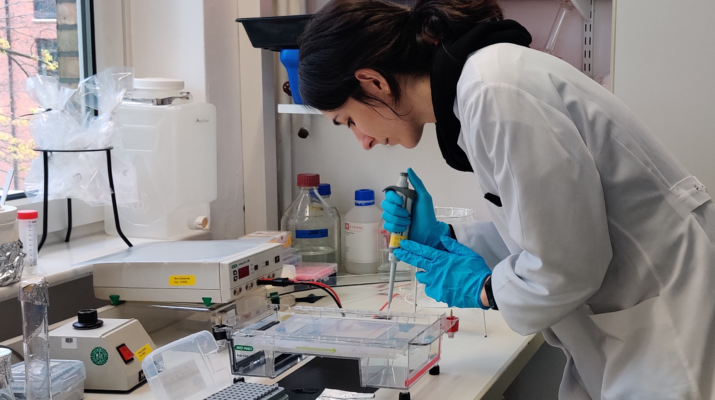
Cristina Gutiérrez-Zárate, PhD student
Twitter: @cgutierrezarate
Centro Oceanográfico de Gijón/Xixón – Instituto Español de Oceanografía (IEO-CSIC)
Av. Del Príncipe de Asturias, 70 Bis, 33212 Gijón/Xixón, Spain
Contact: cristina.gutierrez [ a.t ] ieo.csic.es
I am a PhD student based at the Spanish Institute of Oceanography (IEO-CSIC) and the University of Barcelona, studying the effects of global change on cold-water corals. My research focuses on understanding how cold-water corals can be affected by multiple stressors derived from global change.
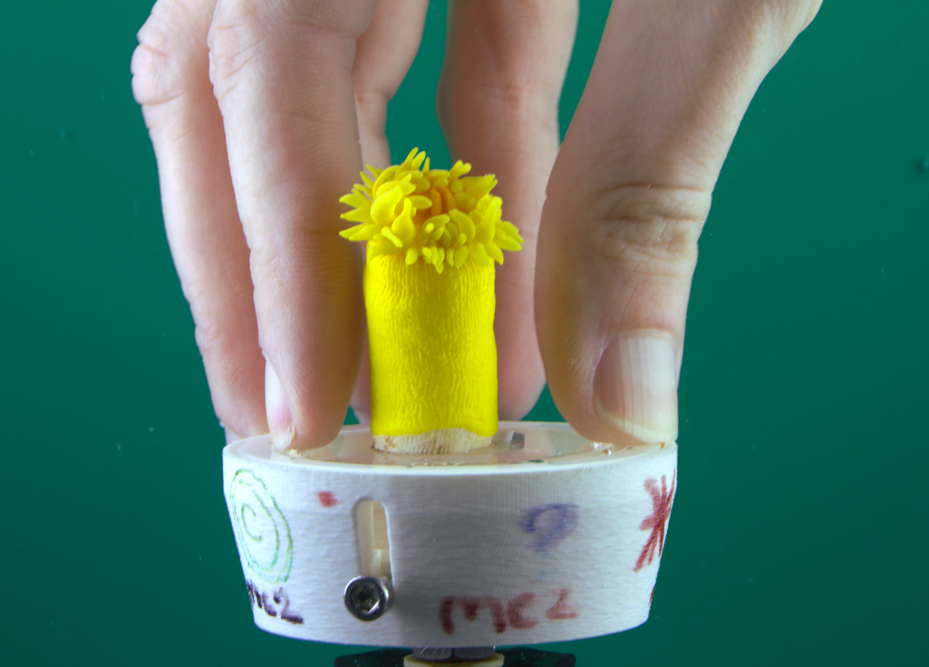
I have always been fascinated by aquaria because, in there, we can take a glimpse at the intricate lives of marine creatures. My first experience with deep-sea corals in aquaria was during my Master’s thesis, where I studied the yellow-coral Dendrophyllia cornigera (Lamarck, 1816). However, it was not until my first oceanographic expedition that I faced the challenges of collecting and maintaining corals from great depths for aquarium experiments. Even though we can observe them through ROV videos or on natural history collections, there is something magical about facing them so close through a glass wall, while they wave back with their tentacles.
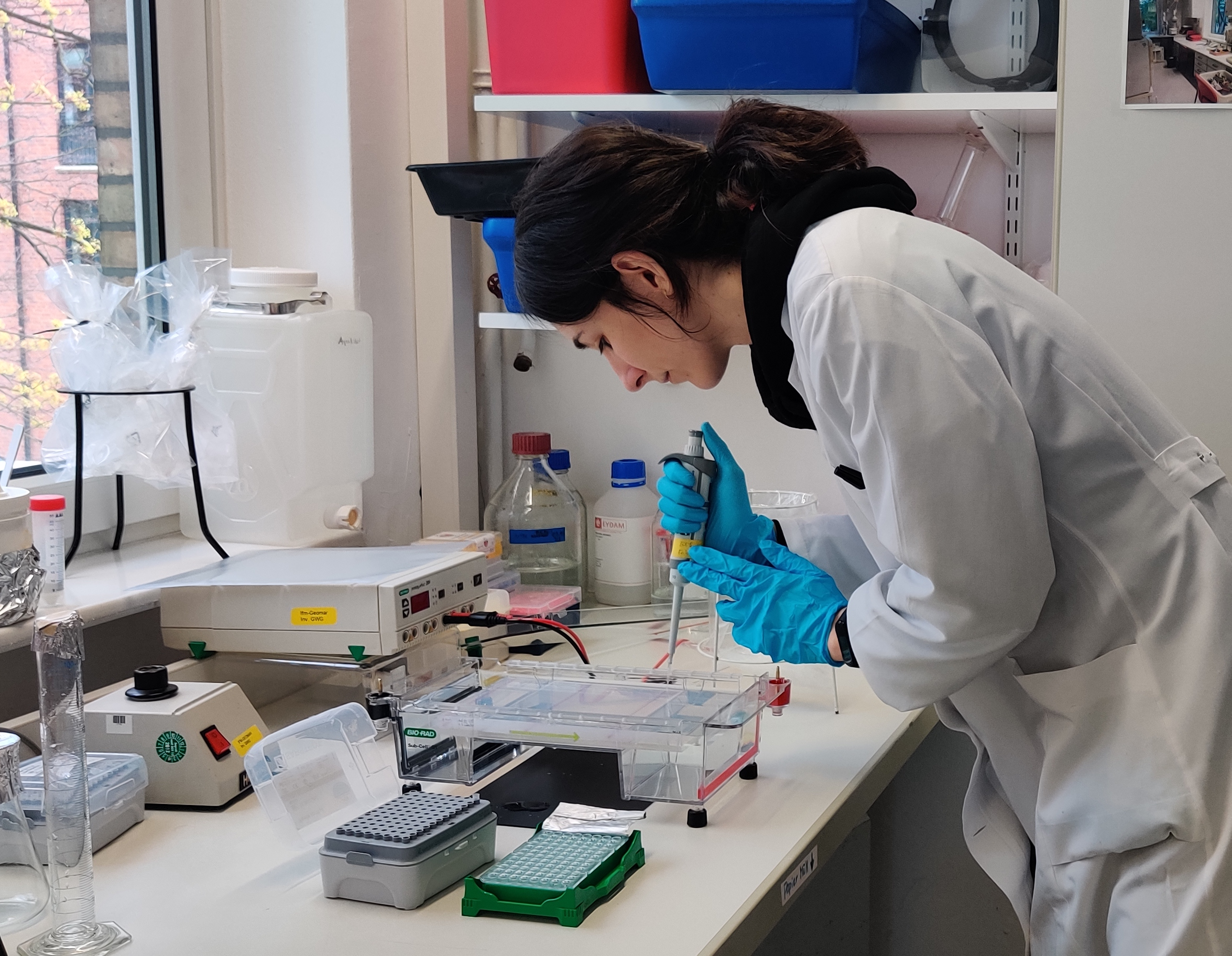
For my PhD, I am studying the individual and the combined impacts of several global change stressors, including warming, acidification, and deoxygenation, on the same yellow-coral species, D. cornigera. I really enjoyed taking part in the development of the aquaria facility at the Aquarium Finisterrae (A Coruña, Spain), which allows us to simulate various combinations of these stressors. I love how multidisciplinary my research is, involving fields like seawater chemistry, coral physiology, and microbiome studies, or even informatics programming and electronics of probes.
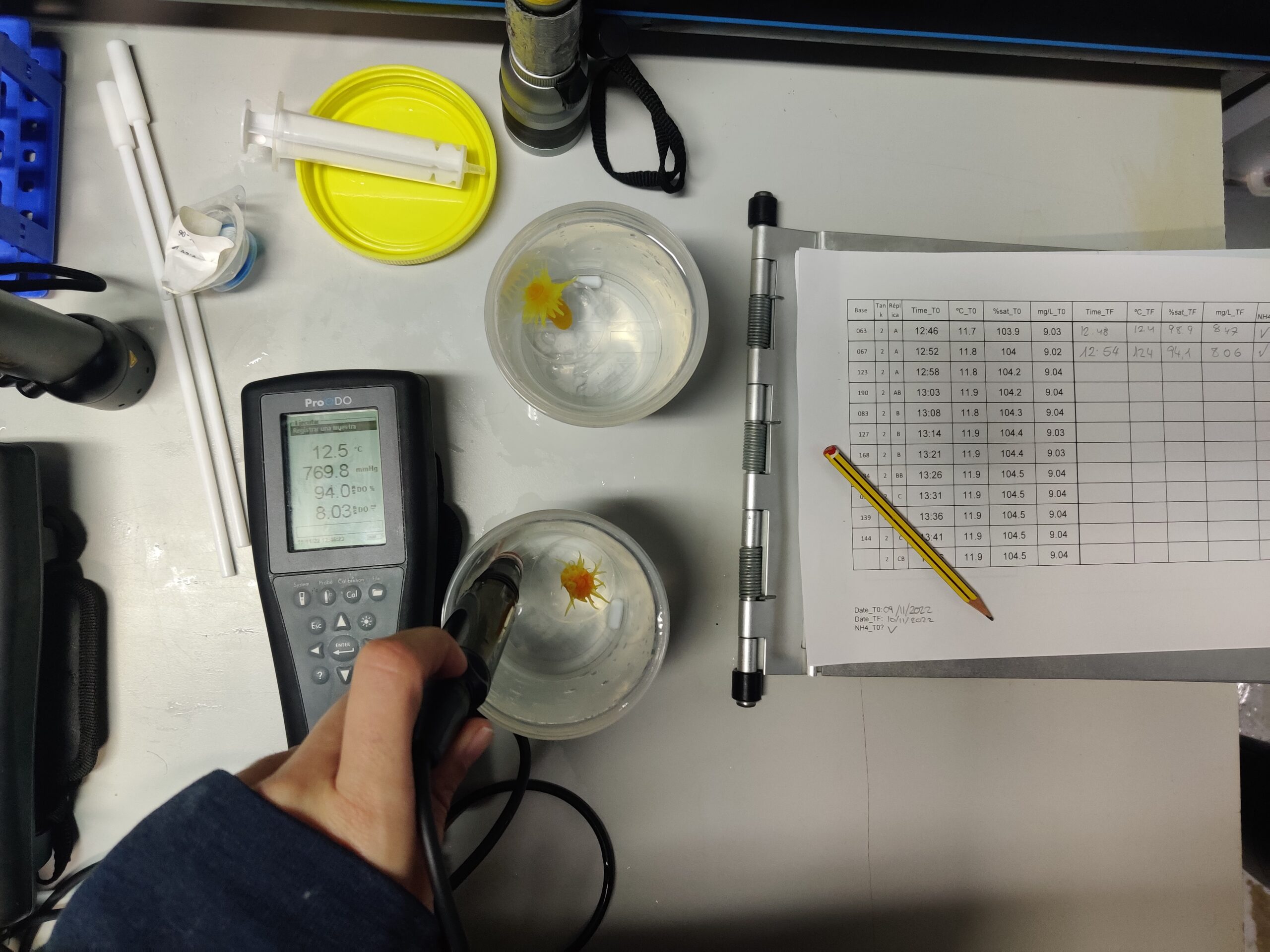
Contributing to our current knowledge of the consequences of global change in deep-sea ecosystems can be very challenging, but also very fulfilling. Even though multiple-stressor experiments are still scarce, they represent an important step forward to better understand the vulnerability and resilience of deep-sea ecosystems to future global change conditions.
Being part of the deep-sea research community has been incredibly rewarding. I have met researchers from diverse disciplines, including ecosystem modelling, taxonomy, and habitat mapping, with many becoming close colleagues and friends. I think we are part of a very supportive, multidisciplinary community that understands the current challenges and comes together to overcome them. I have also conducted research visits to international institutions, which have been very enriching from a professional and personal point of view. My last stay was carried out thanks to a Research Award granted by the Deep-Sea Biology Society at the Centre Scientifique de Monaco. There, I had the opportunity to perform laboratory analyses to assess the impacts of multiple stressors on the biochemical tissue composition of D. cornigera after 9 months of experimental time.
Looking ahead, I am excited to be able to publish the results of my research and contribute to the efforts that assess and preserve deep-sea ecosystems against future conditions. So far, my journey has been both challenging and rewarding, and I look forward to expanding my expertise and embracing new opportunities that contribute to the understanding and protection of the deep sea.
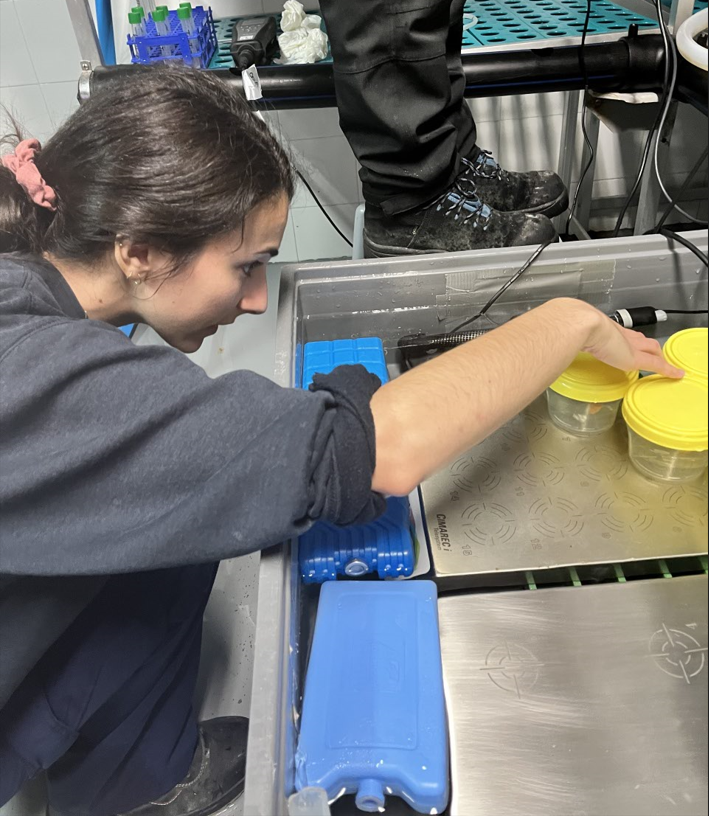
Cristina received a Research Support Award in 2023
